
Best DevOps Books to Buy in October 2026
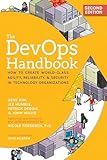
The DevOps Handbook, 2nd Edition: How to Create World-Class Agility, Reliability, & Security in Technology Organizations


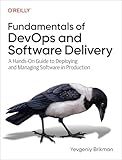
Fundamentals of DevOps and Software Delivery: A Hands-On Guide to Deploying and Managing Software in Production
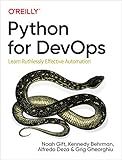
Python for DevOps: Learn Ruthlessly Effective Automation
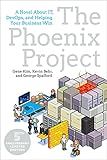
The Phoenix Project: A Novel About IT, DevOps, and Helping Your Business Win
- LEARN DEVOPS THROUGH AN ENGAGING NARRATIVE FORMAT.
- BOOST BUSINESS EFFICIENCY WITH ACTIONABLE INSIGHTS.
- PERFECT GIFT FOR IT PROFESSIONALS AND BUSINESS LEADERS.
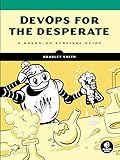
DevOps for the Desperate: A Hands-On Survival Guide
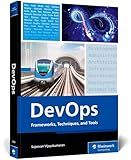
DevOps: Frameworks, Techniques, and Tools – A DevOps Guide That Will Transform Your Development Lifecycle with Practical Strategies, Real-World ... Essential DevOps Tools (Rheinwerk Computing)
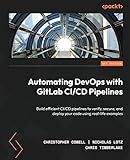
Automating DevOps with GitLab CI/CD Pipelines: Build efficient CI/CD pipelines to verify, secure, and deploy your code using real-life examples
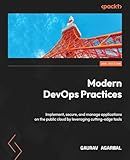
Modern DevOps Practices: Implement, secure, and manage applications on the public cloud by leveraging cutting-edge tools
Introduction
In the ever-evolving landscape of technology, staying ahead demands continuous learning and adaptation. This couldn't be more evident in the field of DevOps, a culture that fosters collaboration between development and operations teams to deliver applications and services at high velocity. As we approach 2026, DevOps professionals are expected to face unforeseen challenges and opportunities. To navigate this dynamic environment successfully, a deep understanding of coding practices is crucial. This article delves into the "5 Best DevOps Coding Tips for Success in 2026," providing insights to enhance your DevOps journey.
Master the Basics with a DevOps Book
The foundation of any advanced skill is built by mastering the basics. Diving into a comprehensive DevOps book can offer a structured approach to understanding the principles and practices of DevOps. These books cover a wide range of topics including version control, continuous integration, delivery pipelines, and so much more.
- Why start with a book?
- Structured Learning: Books often provide a systematic progression of concepts.
- Depth of Knowledge: Authors go into detail, offering insights and techniques not always available online.
- Credibility: Authored by experts in the field, these books are based on real-world experience and proven methodologies.
5 Best DevOps Coding Tips
1. Embrace Automation Everywhere
Automation is the key to consistency and reliability in DevOps practices. Implement automated testing, deployment, and monitoring to reduce human error and free up valuable time for strategic tasks.
- Benefits of Automation:
- Consistent results with less manual intervention
- Faster deployment and feedback loops
- Enhanced reliability and repeatability
For more on automation, explore the best DevOps pipeline software to streamline your processes.
2. Prioritize Security From the Start
Security should not be an afterthought. Integrating security measures from the beginning of the development process-often referred to as DevSecOps-ensures that vulnerabilities are addressed early.
- Key Practices:
- Implement continuous security assessments
- Use automated security testing tools
- Foster a culture of security awareness among your team
3. Utilize Infrastructure as Code (IaC)
IaC enables you to manage and provision infrastructure through code, offering consistency across environments and reducing configuration drift.
- Advantages:
- Code becomes a single source of truth for infrastructure
- Enables versioning, collaboration, and automation
- Reduces manual errors in environment setup
4. Focus on Continuous Learning and Adaptation
The tech industry evolves rapidly, making continuous learning essential. Encourage a culture that values education and adaptation, allowing your team to remain flexible and innovative.
- Tips for Continuous Learning:
- Attend industry conferences and webinars
- Participate in online courses and certifications
- Encourage cross-functional team learning sessions
5. Master the Tools and Technologies
Being proficient in the tools and technologies of the DevOps ecosystem is vital. Understanding how these tools work together can significantly enhance project efficiency and collaboration.
- Key Areas:
- Version Control Systems (e.g., Git)
- CI/CD Pipelines (continuously updated and explored)
- Cloud Platforms and Containerization Technologies
Learn more about Azure DevOps pipeline Powershell integration to expand your toolset.
How to Choose the Right DevOps Book
Selecting the right DevOps book can propel your learning curve and open up new pathways. Here's what to consider:
- Author Expertise: Authors with a proven track record in the industry often provide insightful, actionable advice.
- Content Relevance: Make sure the book covers the latest tools and practices in DevOps.
- Reviews and Recommendations: Look for books with high ratings and positive reviews from peers in the industry.
Frequently Asked Questions
1. What is DevOps?
DevOps is a cultural and technical movement aimed at improving collaboration between development and operations teams to deliver software faster and more efficiently.
2. Why is automation so important in DevOps?
Automation helps streamline processes, reduce errors, and decrease the time required for software delivery, enabling faster and more reliable deployments.
3. How can I get started in a DevOps career?
To embark on a career in DevOps, consider acquiring skills in software development, system administration, and an understanding of DevOps culture and practices. Check out employment opportunities for DevOps engineers to see what's currently in demand.
4. What are the benefits of continuous integration and delivery?
Continuous integration and delivery help to ensure regular testing and integration of code, minimizing risks and improving software quality by finding and addressing issues early in the development cycle.
By implementing these coding tips and investing in continuous learning, DevOps professionals can prepare for success in 2026 and beyond, ensuring they remain agile and resilient in an advancing tech landscape.