Best Women's Polarized Sunglasses in October 2026
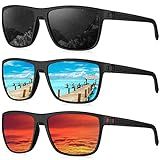
KALIYADI Polarized Sunglasses Men, Lightweight Mens Sunglasses Polarized UV Protection Driving Fishing Golf (Black/Ice Blue/Red)
- UV400 PROTECTION KEEPS YOUR EYES SAFE FROM HARMFUL RAYS OUTDOORS.
- CLASSIC RECTANGULAR DESIGN PAIRS WITH ANY OUTFIT, STYLISH AND VERSATILE.
- LIGHTWEIGHT, DURABLE MATERIALS ENSURE COMFORT FOR ALL-DAY WEAR.


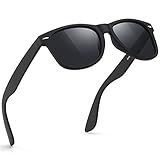
FEIDUSUN Sunglasses Men Polarized Sunglasses for Mens and Womens,Black Retro Sun Glasses Driving Fishing UV Protection
-
TRENDY RETRO DESIGN PERFECT FOR OUTDOOR ACTIVITIES AND STYLE-SAVVY USERS.
-
EFFECTIVE UV PROTECTION KEEPS YOUR EYES HEALTHY DURING ALL LEISURE ACTIVITIES.
-
LIGHTWEIGHT, FLEXIBLE MATERIALS ENSURE COMFORT DURING ALL-DAY WEAR.
KALIYADI Sports Polarized Sunglasses Men UV400 Protection for Fishing Driving Cycling, Blue/Black/Green/Red, 4 Pack
- UNBEATABLE VALUE: GET 4 STYLISH PAIRS IN ONE AFFORDABLE PACK!
- ULTIMATE EYE PROTECTION: ENJOY STATE-OF-THE-ART UV400 LENS SHIELDING.
- VERSATILE FOR EVERY ACTIVITY: PERFECT FOR SPORTS, DRIVING, AND OUTDOOR FUN!
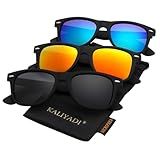
KALIYADI Polarized Sunglasses for Men and Women Matte Finish Sun glasses Color Mirror Lens UV Blocking (3 Pack)
- STYLISH EYE PROTECTION FOR ALL: UV-BLOCKING, TRENDY POLARIZED SUNGLASSES.
- RELAX YOUR EYES: POLARIZED LENSES REDUCE GLARE FOR DAILY COMFORT.
- GIFT-READY PACKAGING: INCLUDES MULTIPLE ITEMS FOR A PERFECT PRESENT.
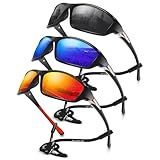
Foliful Polarized Sports Wrap Around Sunglasses Men Fishing Running Golf
-
ADVANCED UV PROTECTION ENSURES SAFE, CLEAR VISION DURING OUTDOOR ACTIVITIES.
-
LIGHTWEIGHT, NON-SLIP DESIGN OFFERS COMFORT AND SECURE FIT FOR SPORTS.
-
VERSATILE 3-PACK LETS YOU MATCH STYLES FOR ANY OCCASION OR MOOD.
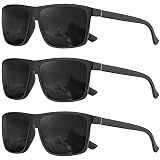
KALIYADI Polarized Sunglasses for Men and Women, Mens Sunglasses Polarized with UV Protection for Driving Fishing Golf (3 Packs)
-
GLARE-FREE CLARITY: HD POLARIZED LENSES ENHANCE CONTRAST AND BLOCK UV RAYS.
-
STYLISH VERSATILITY: CLASSIC DESIGN PERFECT FOR ANY OCCASION, DAY OR NIGHT.
-
DURABLE DURABILITY: BUILT WITH PREMIUM MATERIALS FOR LONG-LASTING WEAR.
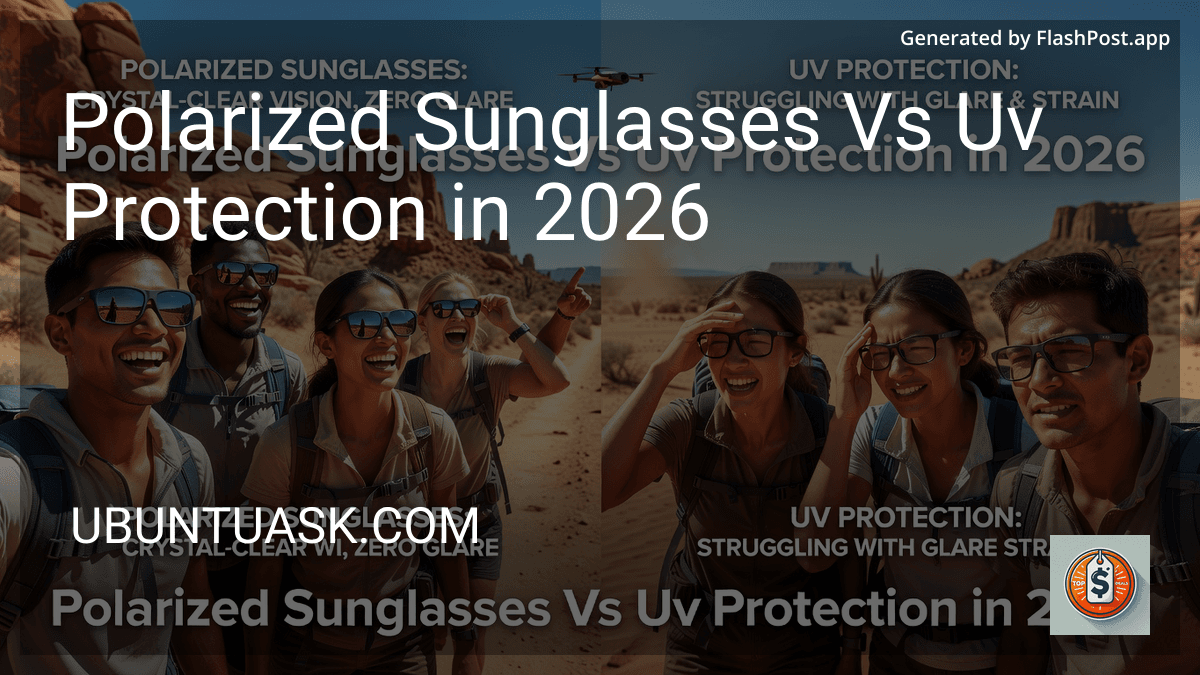
Polarized Sunglasses Vs Uv Protection in 2026 is still one of the most misunderstood topics in eyewear, and that confusion can leave your eyes exposed even if your lenses look dark and stylish.
A lot of people assume darker lenses automatically mean better eye protection. They don’t. I’ve tested sunglasses on bright roads, open water, snowy trails, and everyday city walks, and I can tell you this: glare reduction and UV blocking are not the same thing.
If you’re shopping for new shades this year, you need to know exactly what each feature does, which one matters most, and when paying for polarization is actually worth it. By the end, you’ll know how to choose sunglasses that protect your vision, improve comfort, and fit the way you actually live.
Polarized Sunglasses Vs Uv Protection in 2026: What’s the Real Difference?
Here’s the simple version.
UV protection shields your eyes from harmful ultraviolet rays, including UVA and UVB radiation. That protection helps reduce long-term risks like cataracts, photokeratitis, retinal stress, and premature aging around the eyes.
Polarized lenses, on the other hand, are designed to reduce horizontal glare. That’s the harsh reflected light that bounces off roads, water, snow, windshields, and shiny pavement.
So if you’re comparing Polarized Sunglasses Vs Uv Protection in 2026, remember this:
- UV protection = health protection
- Polarization = visual comfort and clarity
- The best sunglasses often have both
This distinction matters more in 2026 because shoppers are seeing more lens options, more online claims, and more fashion-forward frames that don’t always explain lens performance clearly.
Why Polarized Sunglasses Vs Uv Protection in 2026 Matters More Than Ever
Eye strain has become a daily issue for a lot of people. You’re not just dealing with sunshine anymore. You’re moving between car screens, phone screens, bright sidewalks, reflective glass buildings, and outdoor workouts.
That means the right sunglasses now do more than complete your outfit. They help with visual clarity, reduce squinting, and protect your eyes during long-term sun exposure.
I’ve noticed that people often buy based on style first and lens specs second. That’s understandable, especially with current fashion demand around slimmer shapes and oval sunglasses style trends. But if the lenses don’t block 100% UV400, style alone won’t protect your vision.
UV protection is non-negotiable
If a pair of sunglasses doesn’t clearly state 100% UVA and UVB protection or UV400, I treat that as a hard pass.
Why? Because dark lenses without UV filtering can actually be worse than wearing no sunglasses at all. Your pupils dilate behind the tint, which may let in even more harmful ultraviolet light.
Polarization is highly valuable, but not always essential
Polarized lenses can be a game changer if you drive often, spend time near water, hike in bright terrain, or deal with reflective surfaces.
I especially notice the difference while driving at midday or walking near glass-heavy urban streets. The reduction in glare isn’t subtle. Colors look calmer, contrast improves, and your eyes feel less fatigued after a few hours outside.
Polarized Sunglasses Vs Uv Protection in 2026: Which Is Better?
This is where people want a simple winner. But the honest answer is more practical.
If you must choose only one, UV protection is more important.
That’s because UV-blocking sunglasses protect your eye health, while polarization mainly improves how comfortably and clearly you see in bright conditions. You can live without polarization. You should not settle for sunglasses without proper UV protection.
That said, “better” depends on your use case.
Choose UV protection first if you:
- Want basic daily eye safety
- Spend time outdoors casually
- Need sunglasses for walking, commuting, or general wear
- Are shopping on a budget
- Care most about long-term eye protection
Choose polarization as an added upgrade if you:
- Drive frequently in bright daylight
- Spend time boating, fishing, or at the beach
- Ski, snowboard, or hike in reflective conditions
- Are sensitive to glare and eye fatigue
- Want sharper comfort for prolonged outdoor use
If you’re active outdoors, pairing both features is ideal. For example, if you need specialized eyewear for winter glare, performance-focused snowboarding sunglasses often combine strong UV coverage with glare-cutting lenses for intense alpine light.
What to Look For in Polarized Sunglasses Vs Uv Protection in 2026
If you’re buying sunglasses this year, don’t just read the product title. Check the technical details.
Here are the key features that actually matter:
-
100% UV protection or UV400 This is the first thing to verify. It means the lenses block both UVA and UVB rays, which is essential for eye safety.
-
Polarized lens labeling A lens isn’t polarized unless it specifically says so. Tint alone does not reduce reflective glare.
-
Lens clarity Good sunglasses should sharpen your view, not distort it. Poor-quality lenses can create visual warping and headaches.
-
Coverage and frame shape Larger lenses or wraparound frames can help reduce side light exposure. This is especially useful in high-glare environments.
-
Lens material durability If you’re active, look for impact-resistant lenses that can handle drops, sweat, and frequent use.
-
Visible light transmission Different lens darkness levels work better for different conditions. Very dark isn’t always better for all-day wear.
-
Comfort and fit If sunglasses slide down your nose or pinch behind your ears, you won’t wear them consistently. Fit matters as much as lens technology.
-
Purpose-specific design Daily city wear, sports eyewear, and travel sunglasses all have slightly different needs. Match the pair to your routine.
Benefits of Understanding Polarized Sunglasses Vs Uv Protection in 2026
Knowing the difference helps you buy smarter. It also helps you avoid paying extra for features you may not need.
Here’s what you gain when you choose the right lens setup:
- Better eye protection from long-term UV damage
- Less squinting in harsh sun
- Reduced glare while driving or near reflective surfaces
- Improved contrast and more comfortable vision
- Less eye fatigue during extended outdoor time
- More confidence when shopping online
That last point matters.
I’ve seen plenty of stylish sunglasses marketed with vague language like “sun shield” or “light filtering.” Those phrases sound reassuring, but they don’t guarantee proper UV defense or polarization. If the lens specs aren’t explicit, keep scrolling.
How Real-Life Use Changes the Polarized vs UV Decision
This isn’t just a technical debate. It’s a lifestyle decision.
For driving
Polarized lenses can make driving dramatically more comfortable by cutting road glare and dashboard reflections. But again, they should still include full UV protection.
For beach days and water sports
This is one of the clearest cases for polarization. Reflected sunlight off water is intense, and polarized sunglasses reduce that blinding shimmer fast.
For sports and outdoor training
If you run, cycle, hike, or train outside, the best setup is usually both features plus secure fit. If you’re shopping smart, these curated options for discounted athletic sunglasses can help you compare functional designs without sacrificing performance.
For fashion-first daily wear
If your main goal is everyday style, UV protection should still be the minimum standard. You can absolutely find trend-driven options that don’t compromise safety, including many picks in affordable designer sunglasses 2026 roundups.
For minimalist city use
If you mostly walk, commute, and sit outdoors occasionally, non-polarized sunglasses with strong UV protection may be enough. Polarization is helpful, but not always necessary.
Pro Tips for Buying Sunglasses in 2026
There are a few things experienced buyers learn quickly.
Pro tip: Don’t judge protection by lens color. Clear, gray, brown, green, and even lightly tinted lenses can all offer full UV protection if they’re properly treated.
Also, don’t assume expensive means better. Some premium-looking sunglasses focus heavily on aesthetics and very little on optical performance.
Here are the mistakes I see most often:
- Buying based only on frame style
- Confusing dark tint with UV defense
- Assuming polarized lenses automatically block UV
- Ignoring frame fit and lens coverage
- Choosing the wrong pair for the activity
💡 Did you know: Some people find polarized lenses harder to use with certain digital dashboards or screens because polarization can change how displays appear. If you rely heavily on screens while driving or flying, test visibility before committing.
Another overlooked point is face shape and wear frequency. A trendy pair might look great for brunch, but if it slips during movement or presses against your temples after 20 minutes, it won’t become your go-to pair. Style should support function, not fight it.
For shoppers who want a cleaner, understated aesthetic without losing practicality, lists featuring the best carolyn bessette sunglasses often highlight timeless silhouettes that work for daily wear.
Polarized Sunglasses Vs Uv Protection in 2026 for Different Buyers
Not everyone needs the same pair.
If you’re a commuter
Prioritize UV400, then add polarization if road glare bothers you. Lightweight comfort matters because you’ll wear them often.
If you’re a frequent traveler
Choose versatile lenses with full UV protection and enough comfort for long days outdoors. Polarization is especially useful in bright destinations with water, sand, or reflective architecture.
If you’re outdoorsy
Go for both features, plus impact resistance and secure fit. This is where performance matters more than trend.
If you’re buying primarily for style
Pick the silhouette you love, but verify the lens specs before checkout. Good-looking sunglasses should still protect your eyes properly.
How to Get Started: Your Next Steps for Choosing the Right Pair
If you’re feeling stuck, keep it simple.
Start with this quick checklist:
- Confirm UV400 or 100% UVA/UVB protection
- Decide whether glare is a real problem in your daily life
- Choose polarized lenses if you drive, boat, ski, or spend time near reflective surfaces
- Check fit, coverage, and lens quality
- Buy for your routine, not just the trend
That’s the smartest way to approach Polarized Sunglasses Vs Uv Protection in 2026 without getting overwhelmed by marketing claims.
If you only remember one thing, make it this: UV protection protects your eyes; polarization improves your experience. The winning pair usually combines both, but UV defense comes first every single time.
Choose the pair that matches your real life, verify the specs before you buy, and wear them consistently. Your eyes will thank you not just this summer, but for years down the line.
Frequently Asked Questions
are polarized sunglasses better than uv protection?
Not exactly. UV protection is more important for eye health because it blocks harmful ultraviolet rays, while polarized sunglasses mainly reduce glare. The best choice is usually sunglasses that include both features.
do polarized sunglasses also block uv rays?
Sometimes, but not always. Polarization and UV protection are separate lens features, so you need to check that the sunglasses specifically say 100% UVA/UVB protection or UV400.
is uv400 enough or do i need polarized sunglasses too?
UV400 is enough for essential eye protection, so that should be your baseline. If you also deal with road glare, water reflection, or bright snow, polarized lenses are a worthwhile upgrade for comfort and clarity.
what sunglasses should i buy for driving in 2026?
For driving, look for sunglasses with full UV protection, polarization, and good optical clarity. A comfortable fit and glare reduction will make a noticeable difference on bright roads and long daytime drives.
how can i tell if sunglasses have real uv protection before buying?
Check the label or product specs for 100% UVA/UVB protection or UV400. If the listing uses vague terms without stating those standards clearly, it’s safer to skip that pair.