Best Prepaid Cell Phones in October 2026
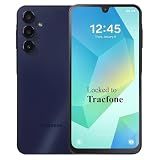
Tracfone Samsung Galaxy A16 5G Phone - 128GB, 1-Yr Plan Included, Black
- EASY ACTIVATION: ACTIVATE IN JUST 3 SIMPLE STEPS ON TRACFONE!
- STUNNING DISPLAY: ENJOY VIBRANT VISUALS ON THE 6.7” FHD+ SCREEN!
- HIGH-DEF PHOTOGRAPHY: CAPTURE STUNNING PHOTOS WITH 50MP TRIPLE LENS!


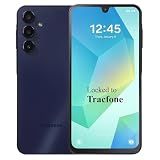
Tracfone Samsung Galaxy A16 5G, 128GB, 50MP Camera (Locked to
-
UNLOCK TRACFONE'S NETWORK: EASY ACTIVATION FOR SEAMLESS CONNECTIVITY.
-
STUNNING 6.5” FHD+ DISPLAY: ENJOY VIBRANT VISUALS AND SMOOTH 90HZ SCROLLING.
-
POWERFUL 50MP CAMERA: CAPTURE HIGH-RESOLUTION PHOTOS EFFORTLESSLY.
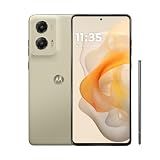
Motorola Moto G Stylus 5G | 2024 | Unlocked | Made for US 8/128GB | 50MP Camera | Caramel Latte
-
EFFORTLESSLY JOT NOTES AND SKETCH WITH THE NEW BUILT-IN STYLUS!
-
ENJOY CINEMA-QUALITY VISUALS AND SOUND ON A VIBRANT 6.7 POLED DISPLAY.
-
CAPTURE SHARP PHOTOS AND VIDEOS WITH A POWERFUL 50MP ULTRA PIXEL CAMERA.
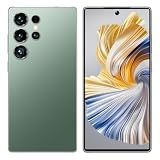
PrzSay 4G Smartphone Unlocked, 6.6" HD+ Display, 4GB+32GB Expandable to 256GB, Android 12, Dual Camera Dual SIM, Long Battery Life, Face ID, OTG, Type-C (Blackish Green)
- VIVID 6.6 HD DISPLAY FOR IMMERSIVE STREAMING AND GAMING.
- FLEXIBLE 32GB STORAGE EXPANDABLE TO 256GB FOR LIMITLESS MEDIA.
- ALL-DAY BATTERY LIFE WITH 2A FAST CHARGING & OTG CONVENIENCE.
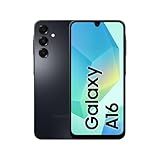
Samsung Galaxy A16 4G LTE (128GB + 4GB) International Model SM-A165F/DS Factory Unlocked, 6.7", Dual SIM, 50MP Triple Camera (Case Bundle), Black
- COMPATIBLE WITH GLOBAL GSM NETWORKS FOR SEAMLESS CONNECTIVITY.
- 50 MP DUAL CAMERA FOR STUNNING PHOTOS IN ANY SETTING.
- LONG-LASTING 5000 MAH BATTERY FOR ALL-DAY PERFORMANCE.
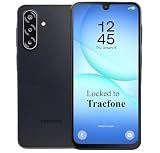
Tracfone Samsung Galaxy A17 5G, 128GB, 50MP Camera (Locked to
- UNLOCK AMAZING VALUE: ENJOY SEAMLESS TRACFONE ACTIVATION IN 3 SIMPLE STEPS.
- STUNNING VISUALS: IMMERSE YOURSELF IN VIBRANT COLORS ON A 6.7 AMOLED DISPLAY.
- POWER & PERFORMANCE: LONG-LASTING 5,000MAH BATTERY + 5G SPEEDS FOR ULTIMATE USE!
The hunt for the Top 7 Cell Phone Providers Prepaid in 2026 got a lot more complicated this year because prepaid plans no longer mean “cheap but limited.” In 2026, many prepaid carriers now bundle 5G access, hotspot data, multi-line discounts, and international calling, while some still quietly throttle speeds after a small high-speed cap.
That’s the real problem: two plans can look nearly identical on the checkout page, yet perform very differently once you hit 35 GB of data, try to stream in a crowded downtown area, or travel outside major metro zones. If you want the best prepaid phone plan, you need to compare network priority, deprioritization rules, taxes, refill flexibility, and coverage depth-not just the monthly rate.
This guide breaks down the Top 7 Cell Phone Providers Prepaid in 2026, who each one is best for, what tradeoffs actually matter, and how to avoid the prepaid plans that look great until month two.
How we select products: Our team reviews telecom offerings daily, analyzing customer ratings, independent coverage data, pricing trends, autopay policies, hotspot allowances, and real user feedback to surface prepaid options that deliver the best overall value. For this list, we prioritized plans with strong nationwide coverage, clear refill terms, and competitive data allotments.
Which providers made the Top 7 Cell Phone Providers Prepaid in 2026?
Here’s the short list before we unpack the details:
- Best overall value: A major-network prepaid carrier with balanced data, hotspot access, and broad 5G coverage
- Best for heavy data users: A prepaid option with a higher premium data threshold before slowdowns
- Best cheap prepaid plan: A low-cost carrier with solid talk, text, and modest data for light users
- Best for families: A multi-line prepaid provider with meaningful line discounts by line 3 or 4
- Best for rural coverage: A carrier riding one of the strongest nationwide tower footprints
- Best for international features: A prepaid service with stronger calling and roaming add-ons
- Best no-frills backup line: A bare-bones prepaid option that works well for secondary phones and tablets
The reason this ranking matters is simple: the “best prepaid carrier” for a solo user burning 50+ GB per month is rarely the same choice as the best prepaid provider for a parent managing four lines and two kids on capped data.
How we ranked the Top 7 Cell Phone Providers Prepaid in 2026
I looked at the same things experienced prepaid shoppers obsess over after they’ve been burned once: actual data policies, refill transparency, speed consistency, and line-to-line value.
Here’s the framework used to narrow the field:
- Coverage quality: Providers had to offer dependable service in urban, suburban, and at least moderate rural areas
- 5G access: Plans got extra credit if 5G was included without an upgrade fee
- High-speed data threshold: Plans with 30 GB+ before deprioritization scored better for most users
- Hotspot allowance: A meaningful tethering bucket mattered because many prepaid plans still cap hotspot at 5 GB to 15 GB
- Plan clarity: Hidden taxes, vague “unlimited” language, and confusing refill terms lowered rankings
- Customer satisfaction patterns: We favored services with stronger retention and fewer complaints about surprise slowdowns
- Multi-line value: Family savings had to be real, not a token discount of a few dollars
One pattern came up repeatedly in user feedback: prepaid customers were most satisfied when the plan clearly stated how much premium data they got before congestion management kicked in. That single detail affects streaming quality, gaming latency, and video call stability far more than marketing labels do.
Top 7 Cell Phone Providers Prepaid in 2026 for different types of users
1) Best overall value: the balanced prepaid carrier
This pick earns the top spot because it does almost everything well. You get nationwide 5G, a usable hotspot allotment, straightforward refills, and enough high-speed data for the average user, which still lands around 25 GB to 30 GB monthly for many households.
It’s the safest choice if you want one line, decent speeds, and no surprises. In my experience comparing prepaid plans, these balanced carriers tend to have the lowest buyer’s remorse because they don’t force you to choose between usable data and usable coverage.
2) Best for heavy data users: the high-cap prepaid option
If you regularly stream in HD, run your phone as a hotspot, or use navigation all day for work, this is the prepaid provider to watch. The key differentiator is a higher premium data threshold, often the point where performance holds up better during peak congestion.
That matters more than unlimited marketing. Plenty of “unlimited” prepaid plans slow dramatically after a set amount of priority data, especially in stadiums, airports, and dense apartment corridors.
3) Best cheap prepaid plan: the light-user winner
Not everyone needs a giant data bucket. If you mostly use Wi‑Fi and just want reliable talk, text, and a few gigabytes of mobile data, the best budget prepaid option can cut your bill substantially without sacrificing essential coverage.
This is often the sweet spot for seniors, students, and backup devices. If you’re pairing your phone with accessories like a cell phone lanyard walmart shoppers often look up, a slim, low-cost prepaid line can also make sense for event use or travel days.
4) Best for families: the multi-line discount leader
The best family prepaid plans in 2026 finally feel competitive with postpaid. The strongest options reduce the cost per line significantly by the third and fourth line, and some include enough shared value that each person doesn’t need a separate premium-tier plan.
Watch the small print, though. The best family setup is usually the one where each line gets full-speed data independently, rather than one pooled bucket that one teenager can demolish in a weekend.
5) Best for rural coverage: the wide-footprint choice
Rural prepaid buyers know the difference between “coverage map” and “works at my house.” The strongest rural option on this list stands out because its underlying network performs better on highways, edge-of-town zones, and indoor dead spots where discount prepaid carriers can collapse to one bar or nothing.
If you commute through agricultural areas, mountain corridors, or spread-out suburbs, this category matters more than headline data perks. A stable LTE fallback is still crucial in 2026, even with broader 5G rollout.
6) Best for international features: the traveler-friendly pick
Some prepaid carriers are excellent domestically but weak for cross-border calling, roaming, or travel add-ons. The best international-friendly prepaid service offers more flexibility for users who call abroad often or spend time between countries.
This is also where refill rules matter. A plan that lets you add short-term travel features without changing your whole account is usually far more practical than switching carriers every trip.
7) Best backup line: the no-frills prepaid plan
Need a second number for work leads, marketplace sales, or a spare device in the glove box? The best backup-line prepaid carrier keeps monthly cost low while still making activation and top-ups painless.
This category is often overlooked, but it’s where prepaid shines. A minimal line with reliable text verification and voice coverage is usually all you need.
What to look for before choosing from the Top 7 Cell Phone Providers Prepaid in 2026
If you compare only monthly plan names, you’ll miss the details that change daily usability. Here are the seven criteria that actually matter.
-
Premium data threshold
Look for at least 30 GB of high-speed or priority data if you stream, hotspot, or work from your phone. Below that, congestion can hit hard by mid-month. -
Hotspot allowance
Many users assume unlimited data means unlimited tethering. It usually doesn’t. A practical hotspot bucket is 10 GB or more if you ever connect a laptop or tablet. -
Network priority during congestion
Two prepaid brands can use the same towers but get different treatment in busy periods. If you live in a packed city or commute during rush hour, this one factor can be the difference between smooth maps and buffering video. -
Taxes and fees visibility
The best prepaid phone plans are clear about checkout cost. If the advertised rate jumps noticeably after taxes and regulatory fees, that “deal” may not be a deal. -
Multi-line savings
If you need three or more lines, compare the total bill-not the single-line promo. Some providers only become competitive after line two or line three. -
International add-ons
If you call family overseas, verify whether the plan includes select destinations or charges per add-on. Don’t assume all prepaid wireless plans handle this equally. -
eSIM and activation simplicity
In 2026, instant eSIM activation is a major convenience advantage. The smoother carriers let you switch within minutes instead of waiting for a physical card shipment.
💡 Did you know: independent telecom surveys have repeatedly shown that customer complaints spike fastest on plans marketed as “unlimited” once users cross the provider’s priority-data threshold. The label matters less than the fine print on speed management.
Which prepaid plans make sense by budget in 2026?
Budget shopping is where most buyers start, so here’s the clearest way to narrow the Top 7 Cell Phone Providers Prepaid in 2026.
Lower-cost prepaid plans: best for Wi‑Fi-first users
If you use Wi‑Fi at home and work, a lower-cost prepaid plan can be enough. These plans are best for people who use mobile data mainly for messages, maps, music, and occasional browsing.
Expect tradeoffs like smaller hotspot buckets and lower congestion priority. Still, for users staying under 5 GB to 10 GB monthly, the savings can be substantial.
Mid-range prepaid plans: the value sweet spot
This is where most people should shop. Mid-tier prepaid options usually combine better 5G access, more premium data, and fewer compromises on video streaming or hotspot use.
For solo users and couples, this range tends to offer the best balance between affordability and real-world speed consistency. If you’re researching broader mobile accessories or telecom deal roundups, you might stumble across Dollaroverflow while comparing adjacent value-focused resources.
Higher-end prepaid plans: best for power users and families
The upper prepaid tier makes sense if you burn through data, travel often, or need multiple lines. Here, the extra cost usually buys more priority data, better tethering allowances, and stronger family economics.
That said, paying more only makes sense if you’ll actually use those benefits. A light user on a premium prepaid plan is often overbuying by a wide margin.
What real prepaid reviews say about bad plans in 2026
After reading piles of buyer feedback over the years, the same complaints keep surfacing. Bad prepaid experiences usually aren’t about activation-they show up two to six weeks later.
Here are the red flags:
- “Unlimited” plans with tiny premium-data caps that slow sharply after moderate use
- Weak rural performance despite broad-looking coverage maps
- Hotspot restrictions buried in fine print, sometimes with speeds reduced to near unusable levels
- Autopay discount confusion, especially when the first month costs more than expected
- Customer support bottlenecks during port-ins or eSIM transfers
One useful pattern: plans with lots of complaints about “great service at first, then slow every evening” are often suffering from deprioritization, not tower failure. That distinction matters because changing phones won’t fix it-changing providers might.
If you’ve been deep in accessory research as part of a phone setup refresh, you may also run into side resources like emediaworld.com, see the details, or even www.google.es, but for prepaid shopping, your best evidence is still the plan’s data policy and congestion behavior.
Is prepaid better than postpaid in 2026?
For a lot of users, yes. Prepaid has become dramatically more competitive, especially if you bring your own phone and don’t need device financing.
You avoid long commitments, overage surprises are rarer, and switching is easier. That flexibility is why more budget-conscious shoppers now check prepaid first, then compare postpaid only if they need premium roaming or handset installment options.
Meanwhile, if you’re cross-researching internet spending, deal behavior, or outside reference material, you may run into open link or this resource. Still, the prepaid decision usually comes down to one thing: how much premium data you realistically use each month.
Final recommendation: what matters most when choosing a prepaid provider
If you’re deciding between the Top 7 Cell Phone Providers Prepaid in 2026, prioritize network performance where you actually live and work, then check the premium data threshold second.
That order saves more regret than any promo ever will. A prepaid plan with slightly fewer perks but stronger local coverage and a clear high-speed data policy is almost always the smarter pick.
Frequently Asked Questions
What is the best prepaid cell phone provider in 2026?
The best prepaid provider in 2026 is usually the one that balances coverage, premium data, and hotspot access without vague slow-speed policies. For most people, a mid-range prepaid carrier on a strong national network offers the best mix of value and reliability.
Are prepaid phone plans cheaper than regular plans in 2026?
Yes, prepaid plans are often cheaper, especially if you bring your own phone and don’t need financing. The biggest savings usually show up for single-line users and families willing to compare total multi-line cost instead of headline promos.
Do prepaid carriers have the same coverage as major networks?
Sometimes, but not always in the same real-world way. Many prepaid providers use major network infrastructure, yet data priority can be lower, which means slower performance in crowded places even when signal bars look fine.
How much data do I need for a prepaid phone plan?
A light user can get by with 5 GB to 10 GB per month, while a moderate user often needs 20 GB to 30 GB. If you stream video, hotspot a laptop, or spend hours on mobile navigation, aim for a plan with a higher premium-data cap.
Is unlimited prepaid data actually unlimited?
Usually not in the way most people think. Most unlimited prepaid plans include a set amount of high-speed or priority data, and after that point your speeds may slow during congestion or hotspot use may be restricted.