
Best Version Control Tools to Buy in October 2026

Version Control with Git: Powerful Tools and Techniques for Collaborative Software Development



Version Control with Git: Powerful tools and techniques for collaborative software development
- AFFORDABLE PRICES ON QUALITY USED BOOKS FOR BUDGET-CONSCIOUS READERS.
- THOROUGH INSPECTIONS ENSURE GOOD CONDITION, MAXIMIZING CUSTOMER SATISFACTION.
- ECO-FRIENDLY CHOICE PROMOTES SUSTAINABILITY BY REUSING PRE-LOVED BOOKS.
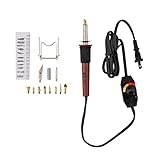
Walnut Hollow Creative Versa Tool with Variable Temperature Control for Woodburning, 11 Points (Tips), Original Version, Basic Pack
- VERSATILE 11-POINT TIPS FOR ENDLESS CREATIVE POSSIBILITIES.
- COMFORT GRIP DESIGN ENSURES EASE DURING LONG CRAFTING SESSIONS.
- COMPLETE KIT WITH STORAGE CASE AND SOLDER FOR ENHANCED VALUE.
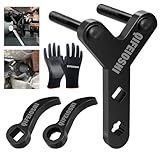
QIFEIOSHI Newly Upgraded Lower Control arm pry Tool, Suspension Control Arm Tool Bushing Removal Tool and pry Wrench Adapter Designed for use with 1/2-inch Drive Extension pry Bars (Model A)
- EFFORTLESS BALL JOINT REMOVAL: EASILY SEPARATES LOWER CONTROL ARM AND BALL JOINT.
- DURABLE ALLOY STEEL BUILD: RUST-RESISTANT, STURDY TOOL FOR LONG-LASTING USE.
- VERSATILE DESIGN: LOW-PROFILE ADAPTER FITS VARIOUS HARD-TO-REACH AREAS.
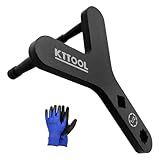
KTTOOL New Lower Control Arm Prying Tool, Suspension Specialty Bushing Tool, Lower Ball Joint Pry, Control Arm Tool Bushing Removal Tool Designed to Work with a 1/2" Drive Extension Breaker Bar
-
EFFORTLESSLY SEPARATES BALL JOINTS WITH ADJUSTABLE PULLING ARM.
-
COMPATIBLE WITH A WIDE RANGE OF VEHICLES FOR VERSATILE USE.
-
DURABLE ALLOY STEEL WITHSTANDS HIGH PRESSURE WITHOUT DEFORMING.
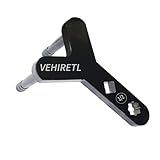
VEHIRETL Lower Control Arm Prying Tool Suspension Bushing Removal and Installation Tool Lower Ball Joint Pry Tool Control Arm Replament Separator Tool with Dual Hole 1/2" Drive
- UNIVERSAL TOOL FOR EASY CONTROL ARM INSTALLATION ON MOST VEHICLES.
- DUAL 1/2 DRIVE DESIGN OFFERS VERSATILE LEVERAGE AND POSITIONING.
- NO DAMAGE DESIGN PROVIDES SAFE SEPARATION FOR CONTROL ARMS.
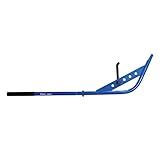
Astro Tools 78914 Lower Control Arm 4ft Pry Bar Tool
- EFFICIENTLY FREE LOWER CONTROL ARMS WITH ADJUSTABLE PULLING ARM.
- SIMPLIFIES SERVICING AXLES AND STRUTS BY CLEARING CONTROL ARMS.
- POWERFUL LEVERAGE BATTLES BUSHING PRE-LOAD AND ANTI-SWAY TENSION.
To map files between two repositories in Git, you can use the git remote add command to add a reference to the other repository. This allows you to pull changes from that repository and merge them into your local repository. You can also push changes from your local repository to the other repository by specifying the remote repository when pushing your changes.
Once you have set up the remote reference, you can use commands like git fetch to retrieve changes from the other repository without merging them, or git pull to fetch and merge changes from the other repository. You can also use [git push](https://forum.phparea.com/thread/how-do-i-push-to-my-github-repo-without-cloning-it) to send your changes to the other repository.
It's important to note that mapping files between repositories can be complex and may require resolving conflicts if changes have been made to the same files in both repositories. It's a good practice to communicate with the owners of the other repository to coordinate changes and avoid conflicts as much as possible.
What is the best way to transfer files between repositories in git?
The best way to transfer files between repositories in Git is to use the git clone command to create a local clone of the repository you want to transfer files from, then use the git push and git pull commands to transfer the files between repositories. Here is the general process:
- Clone the repository you want to transfer files from:
git clone [URL of the source repository]
- Navigate to the directory of the cloned repository:
cd [cloned repository directory]
- Add, commit, and push the files you want to transfer to the remote repository:
git add [files] git commit -m "Your commit message" git push origin master
- In the repository you want to transfer the files to, pull the changes from the source repository:
git pull [URL of the source repository]
By following these steps, you can efficiently transfer files between repositories in Git while maintaining the version history of the transferred files.
How to unify files from various sources in git?
To unify files from various sources in git, you can follow these steps:
- Clone the repositories that contain the files you want to unify, if you haven't already done so.
- Create a new branch in your project repository where you want to merge the files.
- Add the repositories containing the files you want to unify as remotes in your project repository. You can do this by running the following command:
git remote add <remote_name> <repository_url>
- Fetch the branches from the remotes you added in the previous step:
git fetch <remote_name>
- Merge the branches containing the files you want to unify into your new branch. You can do this by running the following command:
git merge <remote_name>/<branch_name>
- Resolve any conflicts that may arise during the merge process.
- Once you have resolved all conflicts and unified the files, commit the changes to the new branch.
- Finally, push the changes to your project repository:
git push origin <new_branch_name>
By following these steps, you can unify files from various sources in git and consolidate them into a single branch in your project repository.
What is the purpose of mapping files between repositories in git?
The purpose of mapping files between repositories in git is to synchronize changes made to specific files in one repository with another repository. This allows for collaboration between different teams or individuals working on the same project in different repositories. By mapping files between repositories, developers can easily share updates, collaborate, and maintain consistency across multiple copies of the same project.
How to align files between connected repositories in git?
To align files between connected repositories in Git, you can follow these steps:
- Clone the repository: Start by cloning the repository where you want to align the files. Use the "git clone" command to create a local copy of the repository on your machine.
- Add the remote repository: Add the remote repository that you want to align the files with using the "git remote add" command. This will establish a connection between the two repositories.
- Fetch the changes: Fetch the changes from the remote repository to your local repository using the "git fetch" command. This will download any changes made in the remote repository to your local repository.
- Merge the changes: Merge the changes from the remote repository into your local repository using the "git merge" command. This will update your local files with any changes made in the remote repository.
- Resolve any conflicts: If there are any conflicts between the files in the two repositories, you will need to resolve them manually. Use the "git status" command to identify any conflicts, and then use tools like Git's merge tool or an external diff tool to resolve them.
- Push the changes: Once you have aligned the files between the two repositories and resolved any conflicts, you can push the changes back to the remote repository using the "git push" command. This will update the files in the remote repository with the changes from your local repository.
By following these steps, you can align files between connected repositories in Git and ensure that both repositories are in sync with each other.